Strait of Hormuz: Why It's Key to Your Pump Price
Have you ever wondered why global events, seemingly thousands of miles away, can suddenly hit your wallet at the gas station? The answer often lies in critical geopolitical choke points, and few are as vital as the Strait of Hormuz. This narrow waterway, nestled between Iran and Oman, is an unassuming but profoundly influential artery for the world's energy supply. When tensions rise in this region, particularly concerning *military conflict gas* implications, the potential for dramatic shifts in oil prices – and consequently, your pump price – becomes alarmingly real.
The Strait of Hormuz: A Global Energy Bottleneck
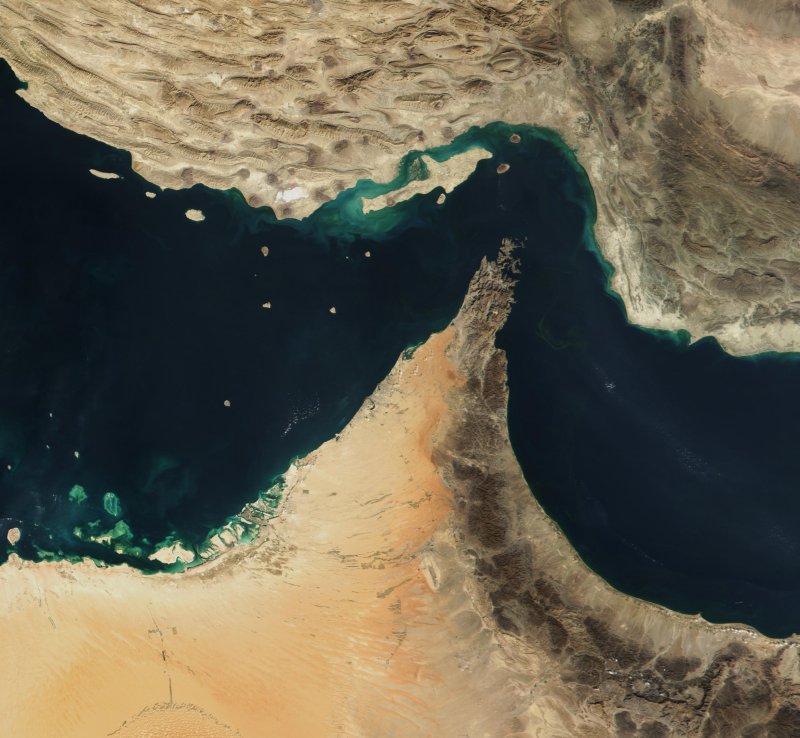
Imagine a mere 104-mile stretch of water responsible for carrying a staggering portion of the world's daily oil supply. That's the Strait of Hormuz. It serves as the sole maritime passage from the vast oil fields of the Persian Gulf to the open waters of the Indian Ocean and beyond, connecting to global energy markets. For major oil-producing nations like Saudi Arabia, Iraq, Iran, Kuwait, and the United Arab Emirates, this strait is an indispensable conduit for their crude oil exports.
Geographically, its significance cannot be overstated. At its narrowest point, shipping lanes are just two miles wide in either direction, separated by a two-mile buffer zone. This confined space makes it incredibly vulnerable to disruption. Each day, an estimated 20 million barrels of oil traverse these waters, representing roughly 20% of the world's total petroleum liquids consumption. Any impediment to this flow, however brief, sends immediate shockwaves through international oil markets. The sheer volume and concentration of vital energy resources passing through such a constricted pathway make the Strait of Hormuz an epicenter of geopolitical and economic sensitivity.
When Tensions Flare: The Threat of Military Conflict to Global Oil Supply
The delicate balance of global energy supply is perpetually under threat from geopolitical instability, and nowhere is this more acutely felt than in the vicinity of the Strait of Hormuz. The specter of *military conflict gas* price spikes looms large whenever political tensions escalate between key regional players. Recent history, marked by significant U.S. military buildups and a protracted standoff with Iran, highlights the fragility of the situation. As geopolitical and energy analysts have observed, the outcome of such a tense situation could be the difference between a relatively affordable $2.50 per gallon at the pump and an astronomical spike to $5 or even higher in the event of widespread conflict.
Experts like oil forecaster Dan Pickering of Pickering Energy Partners emphasize the incredibly high stakes involved. The most significant risk of disruption, he notes, would emanate from an Iran backed into a corner, with nothing left to lose. While the "playbook" for Middle East conflicts over the past two decades has largely involved avoiding direct attacks on oil infrastructure, a desperate Iran could fundamentally alter this dynamic. Scenarios range from mining or bombing strategic points within the strait, effectively creating a blockade, to directly targeting the oil infrastructure of its neighbors, particularly Saudi Arabia and the UAE. Matt Reed, Vice President of Foreign Reports, a geopolitical and energy consultancy, warns that "all bets are off if the Supreme Leader decides it’s truly a fight for regime survival."
The current climate is arguably more alarming than previous periods of tension. Diplomatic breakthroughs on critical issues, such as a redefined nuclear deal, appear increasingly elusive. With Iran facing internal civil unrest and external pressure, there's a growing sense of desperation within the regime. Reed points out that an Iran feeling it's in "an existential fight" is more inclined to "lash out if only to raise the cost of U.S. intervention." Targeting oil-rich neighbors could be seen as an easy way to inflict massive global economic pain. The fading prospects for diplomacy further underscore the potential for a dangerous escalation, directly impacting the availability and price of oil globally. For a deeper dive into these potential financial impacts, read our article:
Iran Conflict Warning: Gas Prices Could Nearly Double.
The Ripple Effect: How Geopolitics Translates to Your Pump Price
The journey from a geopolitical flashpoint in the Middle East to a higher charge at your local gas station is a complex one, yet it's surprisingly direct. When the threat of *military conflict gas* supply disruptions increases, energy markets react almost instantaneously. Even without a single shot being fired, the mere anticipation of potential conflict can add a significant premium to the price of a barrel of oil. For instance, in periods of heightened Iranian tensions, the U.S. benchmark for oil has seen increases of nearly $10 per barrel, reflecting the market's assessment of a tangible risk of a major Middle Eastern conflict. This "tension premium" is a direct cost passed on to consumers.
The mechanism is straightforward: any perceived threat to the flow of oil through the Strait of Hormuz leads to speculation and hedging in the commodities market. Traders and investors, anticipating future supply shortages, drive up oil prices. Furthermore, actual disruptions—whether due to blockades, attacks on tankers, or damage to production facilities—would lead to an immediate and significant reduction in global oil supply. With demand remaining constant or even growing, the basic economic principle of supply and demand dictates that prices will surge.
Beyond the immediate price of crude oil, other factors contribute to the pump price hike. Increased insurance premiums for shipping through a high-risk zone, longer shipping routes to avoid danger, and general market uncertainty all add to the cost of bringing oil to refineries and then to your local station. The potential for a sudden doubling of gas prices from, say, $2.50 to over $5.00 per gallon, isn't just an abstract economic model; it's a very real scenario that demonstrates the global interconnectedness of energy markets and the fragility of our current supply chains. Understanding how global political tensions translate into tangible economic outcomes is crucial. Explore this topic further in our related piece:
Geopolitical Risk: How Iran Tensions Push Up Oil Prices.
Navigating Uncertainty: What It Means for Consumers and Policy
In an era where geopolitical tremors can so swiftly impact everyday costs, understanding the implications of events in regions like the Strait of Hormuz is paramount for consumers and policymakers alike. While individual consumers cannot directly influence international diplomacy, they can adopt strategies to mitigate the impact of potential *military conflict gas* price hikes.
Practical tips for consumers include:
- Stay Informed: Keep an eye on international news, particularly developments in the Middle East, to anticipate potential market shifts.
- Practice Fuel Efficiency: Regular vehicle maintenance, maintaining proper tire pressure, avoiding aggressive driving, and planning routes efficiently can significantly reduce fuel consumption.
- Consider Alternatives: Explore public transportation, carpooling, cycling, or walking for shorter distances to reduce reliance on personal vehicles.
- Budget Smartly: Factor potential fuel price volatility into your household budget, allowing for flexibility during periods of market instability.
From a policy perspective, the implications are vast. Governments worldwide are acutely aware of the need for energy affordability and stability. This often involves a delicate balance of diplomatic engagement to de-escalate tensions, maintaining strategic petroleum reserves to cushion against supply shocks, and exploring diversification of energy sources to lessen reliance on vulnerable regions. The desire for cheap gas is a common objective for any administration, recognizing its direct impact on consumer confidence and the broader economy. However, this objective often clashes with the harsh realities of international relations and the inherent risks of relying on a concentrated global oil supply. The ongoing dance between diplomacy and the ever-present possibility of conflict highlights the complex challenges in securing a stable and affordable energy future.
Conclusion
The Strait of Hormuz is far more than just a waterway; it is a critical nexus connecting global energy production with consumption. Its geopolitical significance means that any talk of *military conflict gas* price implications must be taken seriously. The potential for disruptions in this narrow passage to send shockwaves through the global economy, directly impacting your wallet at the pump, is a stark reminder of our interconnected world. As consumers, understanding these dynamics empowers us to make more informed choices, while for policymakers, it underscores the urgent need for continued diplomatic efforts and resilient energy strategies to navigate an increasingly volatile geopolitical landscape.