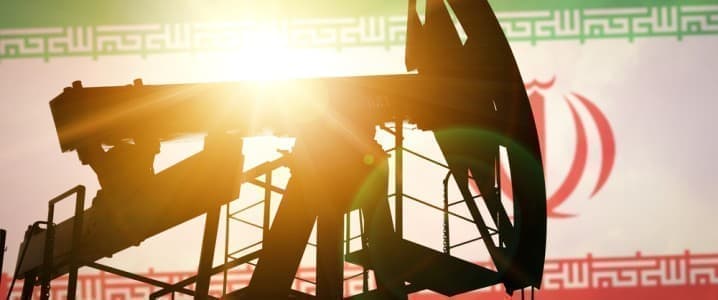
Geopolitical Risk: How Iran Tensions Push Up Oil Prices
The geopolitical landscape of the Middle East has long been a major determinant of global energy prices, and few flashpoints carry as much weight as the escalating tensions surrounding Iran. When the specter of a military conflict looms in this oil-rich region, the ripple effects are felt instantaneously at gas pumps worldwide. Energy analysts and geopolitical experts alike warn that the outcome of a tense standoff could dramatically swing the average price at the pump, with potential increases that could nearly double what consumers currently pay. This stark reality underscores the profound connection between international diplomacy, regional stability, and the everyday cost of fuel, where the term 'military conflict gas' becomes an unfortunate reality.
The stakes, as often highlighted by experts like oil forecaster Dan Pickering of Pickering Energy Partners, are incredibly high. While a peaceful resolution might see prices stabilize or even fall, any significant escalation, particularly involving military action, could trigger an astronomical surge. Understanding *why* Iran's actions and regional stability are so critical requires a closer look at the unique geographical and economic factors at play.
The Strait of Hormuz: A Global Choke Point
At the heart of the world's vulnerability to Iranian tensions lies a narrow, 104-mile stretch of water known as the Strait of Hormuz. This unassuming waterway, offshore of Iran, is not just a geographical feature; it is the single most critical choke point for global oil shipments. Separating the Persian Gulf from the Indian Ocean, the Strait of Hormuz acts as the essential gateway through which a staggering volume of crude oil—nearly 20 million barrels *daily*—must pass to reach international markets.
Consider the sheer scale: most of the crude oil exported by major producers like Saudi Arabia, Iraq, Iran itself, Kuwait, and the United Arab Emirates *must* navigate these confined waters. There is no viable alternative route for this immense volume. If this critical passage were disrupted, even momentarily, the global supply chain for crude oil would face an immediate and severe shock. Such a blockage, whether through direct military action, mining, or threats, would instantaneously constrict supply, sending shockwaves through energy markets and directly impacting the cost of military conflict gas around the globe. This strategic importance is why any talk of escalation in the region sends shivers down the spines of energy traders and consumers alike, making the
Strait of Hormuz: Why It's Key to Your Pump Price a perennial headline.
Iran's Desperation and Escalation Risks
The current geopolitical climate surrounding Iran is arguably more precarious than in previous standoffs. According to experts like Matt Reed, Vice President of Foreign Reports, Iran is facing an "existential fight." The regime is under immense internal pressure, grappling with civil unrest, and its economy is strained by international sanctions, particularly after the U.S. withdrew from the previous nuclear agreement in 2018. This combination of internal turmoil and external pressure creates a dangerously volatile situation.
Historically, the "playbook" for Middle Eastern conflicts has often involved avoiding direct targeting of oil infrastructure. Even during notable regional flare-ups, such as a "Twelve-Day War" involving Israel and Iran, direct attacks on oil production or shipping facilities were largely circumvented. However, analysts suggest that a desperate Iran, feeling backed into a corner with nothing to lose, might discard this unwritten rule.
Scenarios painted by experts are stark: A cornered Iran could indeed bomb or plant mines throughout the Strait of Hormuz, creating an effective blockade. Beyond that, the regime might target its oil-rich neighbors, such as Saudi Arabia and the UAE, whose vast oil infrastructures present tempting, and relatively "easy," targets. "All bets are off," warns Reed, "if the Supreme Leader decides it’s truly a fight for regime survival." This level of desperation elevates the risk of a regional `military conflict gas` crisis to unprecedented levels. The potential for such actions, driven by a regime facing an existential threat, makes the current situation far more alarming and unpredictable, dramatically raising the stakes for global energy security.
The Economic Ripple Effect: Pricing in Risk
Energy markets are incredibly sensitive barometers of geopolitical stability. Even the *perception* of increased risk can send oil prices climbing long before any actual disruption occurs. This phenomenon is known as a "risk premium." When tensions surrounding Iran escalate, traders immediately factor in the heightened probability of supply disruptions, pushing up crude oil benchmarks. For instance, in periods of heightened Iranian tensions, the U.S. benchmark for oil has shown significant upticks, sometimes rising by $10 per barrel or more, purely due to the added risk premium. This market behavior suggests that energy markets often price in a substantial chance of a major Middle Eastern conflict unfolding.
The financial implications for consumers are direct and often severe. An increase in the price of a barrel of crude oil translates almost immediately to higher prices at the pump. In the extreme scenario of a major military conflict leading to a significant disruption of oil flow through the Strait of Hormuz, the impact could be astronomical. Analysts have projected that average gas prices could spike from around $2.50 per gallon to an astonishing $5 per gallon – essentially doubling overnight. Such an increase would not only squeeze household budgets but would also have profound ripple effects across the global economy, driving up transportation costs, inflation, and potentially triggering broader economic slowdowns. The very real risk of
Iran Conflict Warning: Gas Prices Could Nearly Double is a constant concern for policymakers and consumers alike.
Navigating Volatility: Implications for Consumers and Businesses
While the geopolitical currents are largely beyond individual control, understanding the potential impact of military conflict gas prices allows for proactive planning. For consumers, particularly those reliant on personal vehicles, practical tips can help mitigate the sting of potential price hikes:
- Embrace Fuel Efficiency: Regularly maintain your vehicle, ensure tires are properly inflated, and practice eco-driving techniques (smooth acceleration, avoiding rapid braking).
- Plan Trips Strategically: Combine errands, carpool, or utilize public transport where available to reduce overall fuel consumption.
- Consider Alternatives: For some, investing in more fuel-efficient vehicles or exploring electric options might become a more attractive long-term strategy amidst persistent energy volatility.
Businesses, particularly those with significant transportation or energy costs, face an even greater challenge. Strategies might include:
- Hedging Fuel Costs: Larger enterprises can explore financial instruments to lock in future fuel prices, protecting against sudden spikes.
- Optimizing Logistics: Re-evaluating supply chain routes and delivery schedules to minimize fuel expenditure.
- Investing in Energy-Efficient Operations: Upgrading equipment and processes to reduce overall energy consumption can provide a buffer against rising costs.
Ultimately, the best-case scenario remains a diplomatic breakthrough, pulling the region back from the brink of a full-scale military conflict. However, with "the odds of diplomatic breakthrough fading by the day," as some analysts have noted, the world must remain acutely aware of how intertwined geopolitical instability in the Middle East is with the price of gas in our tanks and the broader health of the global economy.
In conclusion, the current tensions surrounding Iran represent a significant and multifaceted geopolitical risk that directly threatens global energy stability. The strategic importance of the Strait of Hormuz, coupled with Iran's precarious internal and external pressures, creates a volatile cocktail where the potential for a military conflict pushing up gas prices is dangerously high. While diplomatic efforts are paramount, understanding the mechanisms through which these tensions translate into higher pump prices is crucial for both consumers and businesses to navigate what could be an increasingly turbulent energy future.